 Sign In
Ideal Paragraph Length and Structure: A Complete Guide
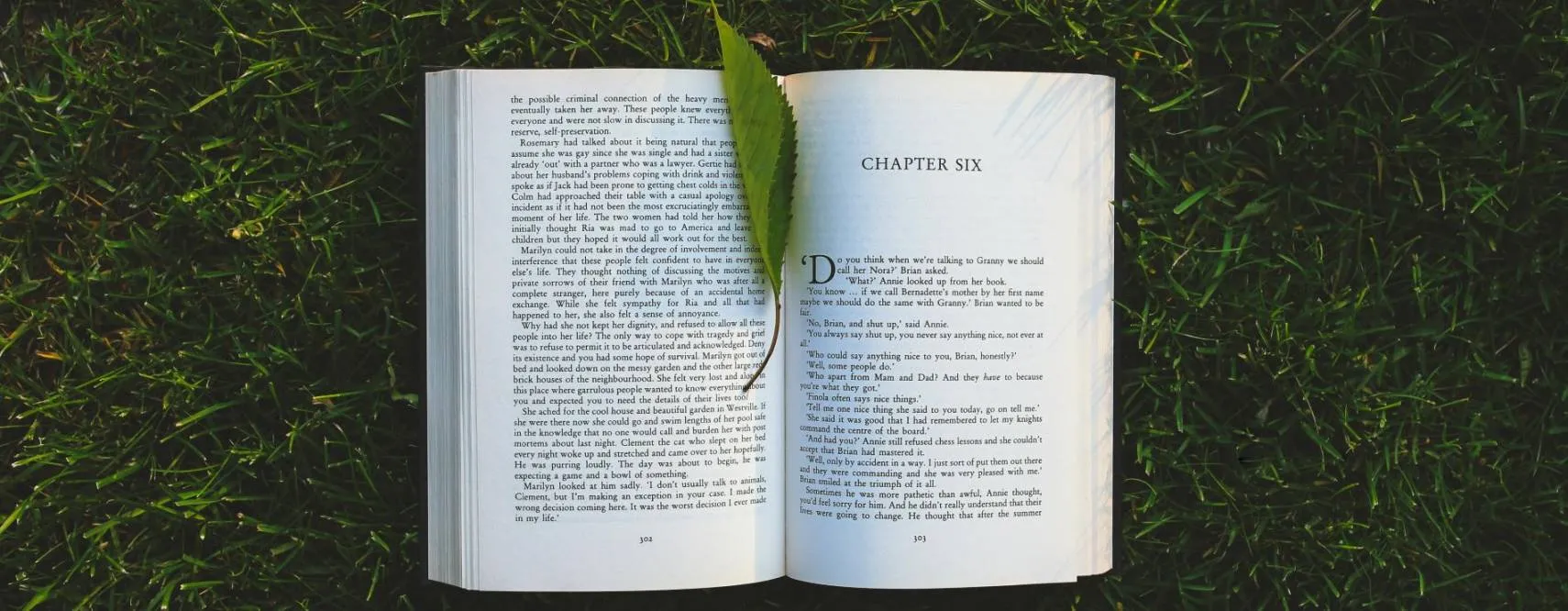
Understanding paragraph length is one of the most practical things you can do to improve your writing. Sizing your paragraphs well makes any writing clearer and easier to read, from academic essays and business reports to blog posts and novels.
This guide covers how long a paragraph should be in words, the structure of an effective paragraph, and how to fix common paragraph problems. For sentence counts by writing type, read our guide on how many sentences should be in a paragraph. This article is part of Editor World's academic writing cluster. For the full overview, see the pillar guide on academic writing for students and researchers.
Quick Answer: How Long Should a Paragraph Be?
Academic writing. 100 to 200 words per paragraph, about 5 to 8 sentences.
Blog posts and digital content. 40 to 100 words per paragraph, about 2 to 4 sentences.
Business writing. 60 to 120 words per paragraph, about 3 to 5 sentences.
Fiction. Anything from a single word to 150+ words, depending on pacing and emphasis.
The rule that matters most: one main idea per paragraph. Length follows from that, not the other way around.
What Is a Paragraph?
A paragraph is a self-contained unit of writing focused on a single idea or point. It consists of sentences that work together to develop that idea, creating a coherent section within a larger piece of writing. Paragraphs serve four key functions in written communication.
- Organizing ideas into manageable, readable sections
- Creating visual breaks that improve readability
- Signaling transitions between related thoughts
- Building a logical progression of ideas throughout the document
What Is the Ideal Paragraph Length?
There's no single correct paragraph length. The ideal length depends on your audience, medium, purpose, and the complexity of the idea you're developing. The traditional academic guideline of 100 to 200 words, or 5 to 8 sentences, leaves room to develop an argument with evidence and analysis. Modern digital writing favors shorter paragraphs of 2 to 4 sentences because online readers tend to scan.
How Many Words Is a Paragraph?
A typical paragraph is 100 to 200 words in academic writing and 40 to 100 words online. To estimate your own, multiply your sentence count by your average sentence length. Academic sentences often average 20 to 25 words, so a five-sentence paragraph comes to roughly 100 to 125 words.
Word count is also a quick check on screens. A paragraph over about 150 words fills most of a phone screen, which is a sign it may need splitting. In print, a paragraph that runs past half a double-spaced page usually covers more than one idea.
Ideal Paragraph Length by Writing Context
Paragraph length varies by type of writing. The table below gives typical word counts for each context, with approximate sentence counts. For more on sentence counts, see how many sentences are in a paragraph.
| Writing context | Sentences per paragraph | Words per paragraph | Notes |
|---|---|---|---|
| Student essays | 3 to 5 | 80 to 150 | Focus on developing the topic sentence with evidence |
| Academic papers and journal articles | 5 to 8 | 100 to 200 | Allows full development with citation and analysis |
| Scientific papers | 6 to 10 | 150 to 300+ | Methods and results sections often run longest |
| Blog posts and digital content | 2 to 4 | 40 to 100 | Optimized for scanning and mobile reading |
| News articles | 1 to 3 | 20 to 60 | Inverted pyramid, shortest paragraphs at the top |
| Marketing copy | 1 to 2 | 20 to 50 | Single-sentence paragraphs are common for emphasis |
| Business emails | 3 to 5 | 60 to 120 | Clarity and brevity outrank thoroughness |
| Reports | 4 to 6 | 80 to 150 | Match length to executive vs. technical audience |
| Fiction | 1 to 20+ | 1 to 200+ | Length is a stylistic tool for pacing and emphasis |
The Structure of an Effective Paragraph
Regardless of length, well-built paragraphs follow a three-part structure. Knowing it makes clear, complete paragraphs easier to write.
- Topic sentence. The topic sentence introduces the paragraph's main idea and tells the reader what the paragraph will be about. It acts as a signpost and connects the paragraph to the overall argument. For a full guide, see our article on how to write a topic sentence.
- Supporting sentences. Supporting sentences develop the idea introduced in the topic sentence by providing evidence, examples, analysis, and elaboration. Every supporting sentence should connect directly to the topic sentence. If a sentence introduces a new idea, it belongs in a new paragraph.
- Concluding or transitional sentence. A concluding sentence summarizes the paragraph's key point, reinforces its significance, or creates a smooth transition to the next paragraph.
- Unity. All sentences should relate to and support the main idea presented in the topic sentence.
- Coherence. Ideas should flow logically from one sentence to the next using appropriate transitions.
- Development. Supporting sentences should provide sufficient detail and evidence to fully explain the main idea.
- Emphasis. The most important information is typically placed at the beginning (topic sentence) and end (concluding sentence).
Special Considerations for ESL Writers
For writers whose first language is not English, paragraph construction presents specific challenges beyond grammar. Knowing why English paragraphs are built the way they are, not just the rules, helps ESL writers produce more natural paragraphs.
A good starting point is the standard academic model: topic sentence, supporting sentences, and concluding sentence. Clear transitions and paragraph unity matter too, so every sentence should relate to the main idea. Common problems include topic drift, where a paragraph shifts to a new idea partway through. Others are underdevelopment, where the idea is stated but not explained, and weak transitions.
Common Paragraph Problems and How to Fix Them
- Overly long paragraphs. Check whether the paragraph contains more than one main idea. If it does, split it into separate paragraphs. Remove or relocate any sentence that doesn't directly support the topic sentence.
- Underdeveloped paragraphs. Expand the main point with evidence, examples, or explanation. Ask yourself how, why, and what does this mean to generate supporting content.
- Topic drift. Strengthen your topic sentence and test every subsequent sentence against it. If a sentence doesn't clearly relate to the topic sentence, move it or remove it.
- Choppy, disconnected paragraphs. Add transitions between paragraphs and ensure a logical progression of ideas. Review whether your paragraphs are ordered effectively.
- Repetitive paragraph structure. Vary your sentence structure and paragraph openings. Not every paragraph needs to follow the same pattern.
Practical Tips for Better Paragraph Construction
- One idea per paragraph. Each paragraph should develop a single main point. If you find yourself introducing a second idea, start a new paragraph.
- Match length to context. Academic readers expect detailed paragraphs. Digital readers prefer shorter ones. Know your audience and write accordingly.
- Use transitions. Connect paragraphs with transitional words or phrases, or by referring back to the previous idea while introducing the next one.
- Vary paragraph length. Consistent paragraph length creates monotony. Varying length creates rhythm and can emphasize key points.
- Read aloud. Reading your writing aloud helps identify paragraphs that feel too long, too short, or awkwardly structured.
- Check visual appearance. Step back and look at your document as a whole. Dense blocks of text with no variation signal that paragraphs may need to be broken up.
Frequently Asked Questions About Paragraph Length
What is the ideal paragraph length?
There's no single ideal paragraph length for all writing. Academic paragraphs typically run 100 to 200 words, or 5 to 8 sentences. Blog posts and digital content work best at 40 to 100 words, or 2 to 4 sentences. Business writing usually runs 60 to 120 words, or 3 to 5 sentences. The right length is whatever fully develops the paragraph's central idea without losing the reader.
How many words is a paragraph?
A typical paragraph is 100 to 200 words in academic writing, 60 to 120 words in business writing, and 40 to 100 words in blog posts and web content. To estimate yours, multiply the number of sentences by your average sentence length. Five sentences of about 20 words each make a 100-word paragraph.
What are the three parts of a paragraph?
Most effective paragraphs have three parts. A topic sentence introduces the main idea, and supporting sentences develop it with evidence and explanation. A concluding or transitional sentence wraps up the paragraph or leads into the next one. Together they keep the paragraph focused on one idea.
How do I know if my paragraph is too long?
A paragraph is probably too long if it contains more than one idea or ends far from where it started. Another sign is ten sentences or more, or about 200 words, without a natural break. Reading the paragraph aloud is one of the most reliable ways to identify when it has gone on too long. On screen, a paragraph that exceeds four to five lines or fills most of a mobile screen is usually a candidate for splitting.
Can a paragraph be one sentence?
Yes, in many writing contexts. A single-sentence paragraph is a strong tool for emphasis in creative writing, journalism, and digital content. In formal academic writing, a one-sentence paragraph usually signals an underdeveloped point. Expand it or merge it with an adjacent paragraph. For more on sentence counts, see our guide to how many sentences are in a paragraph.
Does paragraph length affect SEO?
Not directly. Google hasn't named paragraph length as a ranking factor. Shorter paragraphs with more white space do make pages easier to read on screens, which helps readers stay and find what they need. For web content, paragraphs of 2 to 4 sentences usually work better than the longer paragraphs used in academic writing.
How long is a paragraph in an academic essay?
Academic paragraphs typically run 100 to 200 words, or 5 to 8 sentences. Student essays often run shorter, around 80 to 150 words. Journal articles and dissertations run longer to make room for citations and analysis. Most instructors expect each paragraph to develop one main idea fully with evidence and explanation.
How do I shorten a paragraph that is too long?
First, identify whether the paragraph covers more than one main idea. If it does, split at the point where the second idea begins, and add a topic sentence to the new paragraph. If it covers one idea but has redundant or off-topic sentences, cut them. If it's dense but on topic, split it at a natural pause.
Should I vary paragraph length in my writing?
Yes. Consistent paragraph length creates monotony and signals mechanical writing. Varying length creates rhythm, emphasizes key points, and keeps readers engaged. A short paragraph after several long ones draws attention. A longer paragraph after several short ones lets an idea breathe. The variation should serve the content, not be arbitrary.
When Your Paragraphs Need a Second Set of Eyes
Paragraph structure is easy to overlook when you're focused on content. After several drafts, writers often can't see topic drift, thin paragraphs, or uneven length in their own work. A fresh editor catches these quickly, which matters most in academic papers and dissertations.
Editor World provides professional academic editing for students, graduate researchers, and faculty, with a focus on the structural issues that plagiarism checkers and grammar tools miss. Every editor is a native English speaker from the United States, the United Kingdom, or Canada, and no AI is used at any stage. You can choose your own editor from the Editor World roster, and request a free sample edit of your first 300 words.
Content reviewed and edited by the Editor World editorial team under the direction of Patti F., Editor World Founder. Editor World, founded in 2010 by Patti Fisher, PhD, a graduate of The Ohio State University, has provided professional editing and proofreading services for students, researchers, and writers worldwide for 16 years. BBB A+ accredited since 2010 with 5.0 / 5 Google Reviews and 5.0 / 5 Facebook Reviews. More than 140 million words edited for over 8,000 clients in 65+ countries. Multiple Gold, Silver, and Bronze Stevie Award winner. Native English editors from the United States, the United Kingdom, and Canada, averaging 15 years of professional experience. Less than 5% of applicants are accepted to the editor panel. 100% human editing, no AI at any stage. Recommended by the Boston University Economics Department, University of San Diego, University of Michigan, UCLA, University of Missouri, and more.